Coffee Cup with Heart Steam: A Designer's Review
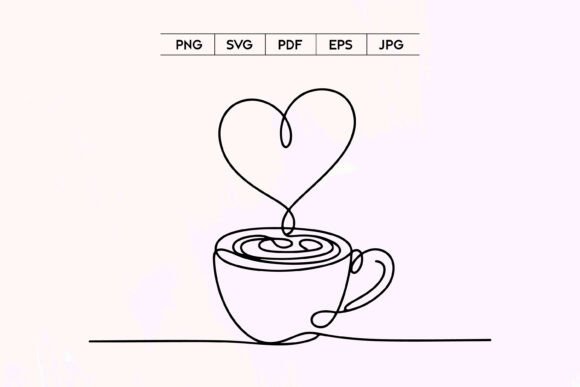
As someone who spends more time staring at stitch previews than I do sleeping, I approach every new machine embroidery design with a mix of hope and skepticism. We have all been there: you download a file that looks crisp on the screen, only to find it turns into a bird's nest of thread once it hits the fabric. That is why I took a close look at the Coffee Cup with Heart Steam Line Art before committing it to any client projects or personal goods. This isn't just about whether the image is cute; it is about whether it survives the reality of the hoop.
The first thing that strikes me about this Illustrations piece is its simplicity. In the world of Graphics, less is often more, especially when translating vectors into thread. The concept—a classic coffee cup with steam rising to form a heart—is timeless. It evokes warmth, comfort, and a touch of romance without being overly saccharine. For a designer, this mood is gold. It fits seamlessly into the "cozy lifestyle" aesthetic that dominates current trends in home decor and casual apparel. The line art style suggests a modern, minimalist approach, which is excellent for keeping stitch counts manageable and ensuring the design remains legible even at smaller scales.
Real-World Application: The Tote Bag Test
To truly evaluate this embroidery file, I imagined a specific real-life scenario: a custom order for a local café looking for branded merchandise. They wanted something subtle for their canvas tote bag design lineup, nothing too heavy or dense that would weigh down the fabric or distort the handle attachment points. The Coffee Cup with Heart Steam Line Art felt like the immediate frontrunner.
When visualizing this on a natural cotton canvas tote, the clean lines of the cup would provide a sharp contrast against the textured weave. The heart-shaped steam adds a unique selling point—it transforms a generic coffee icon into a statement about love for the brew or the giver. If I were an Etsy seller creating a "Morning Routine" collection, this design would be the centerpiece. It works exceptionally well for custom apparel too. Imagine it stitched in white thread on a heather grey sweatshirt or a navy blue hoodie. The sweatshirt embroidery market is saturated, but designs that balance simplicity with emotional resonance always stand out.
Beyond apparel, this design shines in the realm of personalized gift items. A kitchen tea towel featuring this motif makes for a thoughtful housewarming present. Because the design relies on line art rather than heavy fill areas, it drapes better on soft fabrics like linen or cotton blends. Heavy saturation can make towels stiff and unpleasant to use, but a lighter touch preserves the functionality of the handmade product while adding decorative value.
Technical Performance and Stitching Clarity
From a technical standpoint, line art designs can be tricky. If the lines are too thin, they disappear; if they are too thick, they lose their delicate charm. Evaluating the Coffee Cup with Heart Steam Line Art, the balance seems appropriate for standard home machines and commercial setups alike. The steam curves likely utilize a smooth running stitch or a very narrow satin stitch, which requires precise tension control.
One critical factor here is stitch density. Since this is a line-based graphic, it should theoretically have low density, making it ideal for stretchy fabrics where heavy stitching causes puckering. However, this also means the choice of stabilizer is paramount. On a knit fabric like a t-shirt or baby onesie, a cut-away stabilizer would be my recommendation to prevent the design from distorting after multiple washes. For woven fabrics like aprons or pillow covers, a tear-away might suffice, but I would still lean towards cut-away for longevity.
The transition from the cup rim to the steam needs careful attention. In many poorly digitized files, these connection points become bulky knots. Assuming this file is professionally prepared, the jumps should be minimal. If you are using this for an embroidered patch, the backing will hide any minor imperfections, but for direct-to-garment applications, those details matter. The lack of complex fill stitch areas means you won't have to worry about pull compensation as much, but it does mean every single stitch counts toward the overall shape definition.
Navigating Fabric Textures and Hoop Limitations
While this design is versatile, it is not without its limitations. The primary concern with line art is visibility on textured fabrics. If you attempt to stitch this on a heavily looped towel or a fuzzy fleece blanket, the fine lines of the steam might get lost in the pile. In such cases, increasing the stitch width slightly or choosing a high-sheen thread like rayon or metallic could help the design pop.
Another consideration is the hoop size. While the design appears compact enough for small hoops (like 4x4 inches), you must verify the actual dimensions included in the file package. If you plan to scale it up significantly for a large pillow cover, ensure the line weight scales proportionally. Sometimes, simply enlarging a small line-art file results in gaps between stitches that look unintentional. Always run a test stitch-out on scrap fabric identical to your final material. This is non-negotiable for maintaining professionalism and customer trust.
Dark fabrics present another challenge. Since this is likely a single-color or two-color design, contrast is key. Stitching black thread on a black garment defeats the purpose, obviously, but even dark navy on charcoal grey might lack definition. For dark backgrounds, consider using a lighter underlay or choosing thread colors that offer maximum contrast, such as cream, gold, or bright white. This ensures the finished product looks intentional and high-quality.
Commercial Viability and Brand Consistency
For craft business owners and digital product sellers, the versatility of this asset is a major plus. The inclusion of vector formats like SVG, EPS, and PDF alongside the embroidery-specific files means you can use this graphic across your entire brand ecosystem. You can create printable mockup images for your online store, design matching packaging labels, or even create social media content that matches your physical products. This consistency builds brand recognition.
However, a word of caution regarding licensing: always confirm the terms before selling. Just because you purchase a digital embroidery file does not automatically grant unlimited commercial rights. Some creators allow unlimited sales of finished physical items (like shirts and mugs) but restrict the resale of the digital file itself or limit the number of units you can produce. Clarifying this protects your small shop product line from legal headaches down the road.
In terms of customer engagement, designs that tell a micro-story perform well. The heart steam subtly communicates care and affection. Whether it is a holiday embroidery gift for Valentine's Day, a Mother's Day surprise, or just a "because I love coffee" treat for a friend, the emotional hook is built-in. This increases the perceived value of the item, allowing you to price your handmade product slightly higher than a generic, soulless design.
Final Verdict for the Working Designer
The Coffee Cup with Heart Steam Line Art is a solid addition to any designer's library. It bridges the gap between trendy minimalism and classic comfort. Its strength lies in its adaptability; it works equally well as a chest logo on a jacket, a central motif on a tote, or a delicate accent on a baby embroidery project.
Before diving into production, remember to check the specific stitch count and color stops in your machine software. Test different thread brands to see which gives the best coverage for the line weight. Pay attention to how the design behaves on curved surfaces if you are applying it to caps, as the flat nature of the cup might distort on a structured front panel without proper hooping techniques.
Ultimately, this design earns its place in a professional workflow because it respects the medium of embroidery. It doesn't try to be a photograph; it embraces the linear nature of thread. For designers looking to expand their catalog with reliable, sellable, and aesthetically pleasing assets, this coffee cup design is a brew worth investing in. Just remember: the difference between a good product and a great one often comes down to the prep work, the stabilizer choice, and the courage to test before you sell.